SERVICE SUBPAGE
Structural Dismantling & Demolition
(Structural dismantling services, Deconstruction company, Soft demolition/interior gutting, Selective demolition, Green demolition/sustainable wrecking)
WHY
Structural Dismantling & Demolition
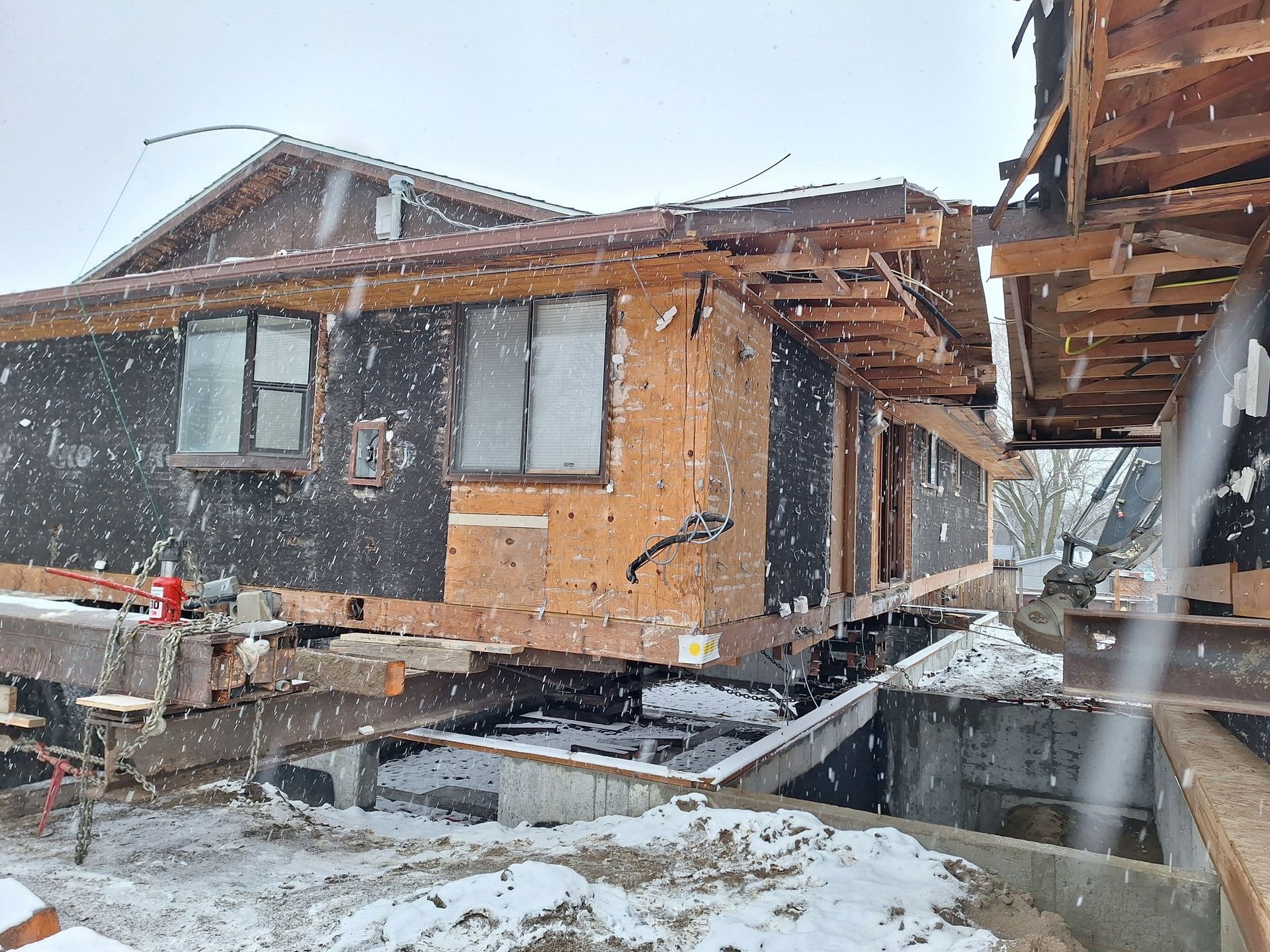
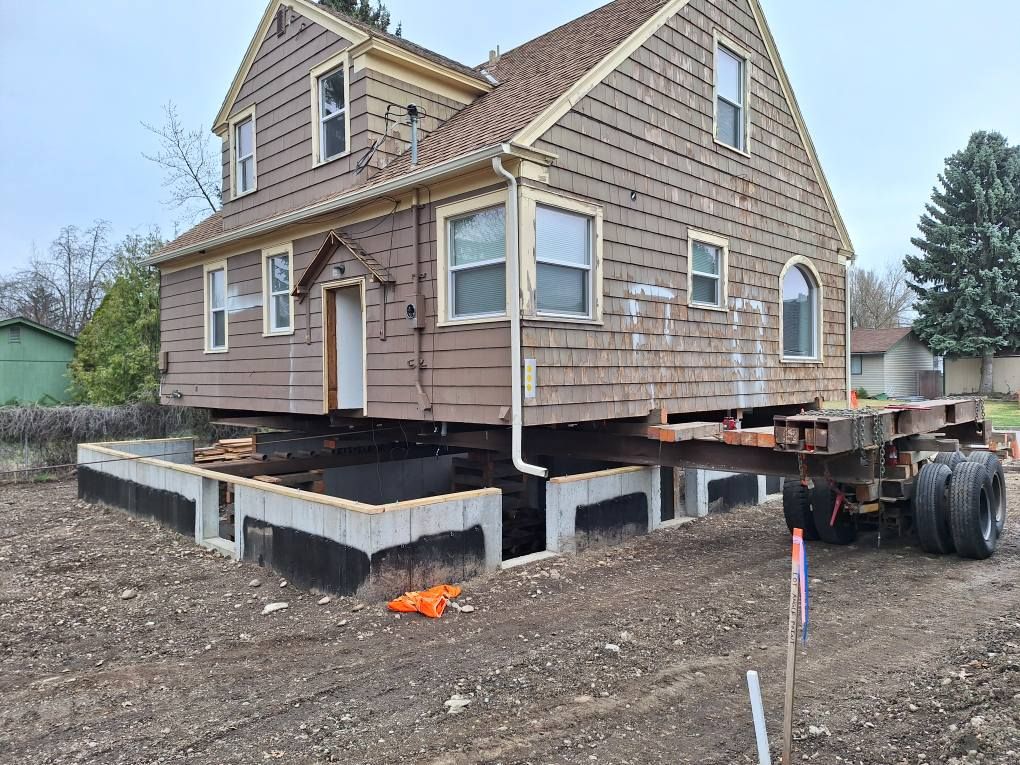
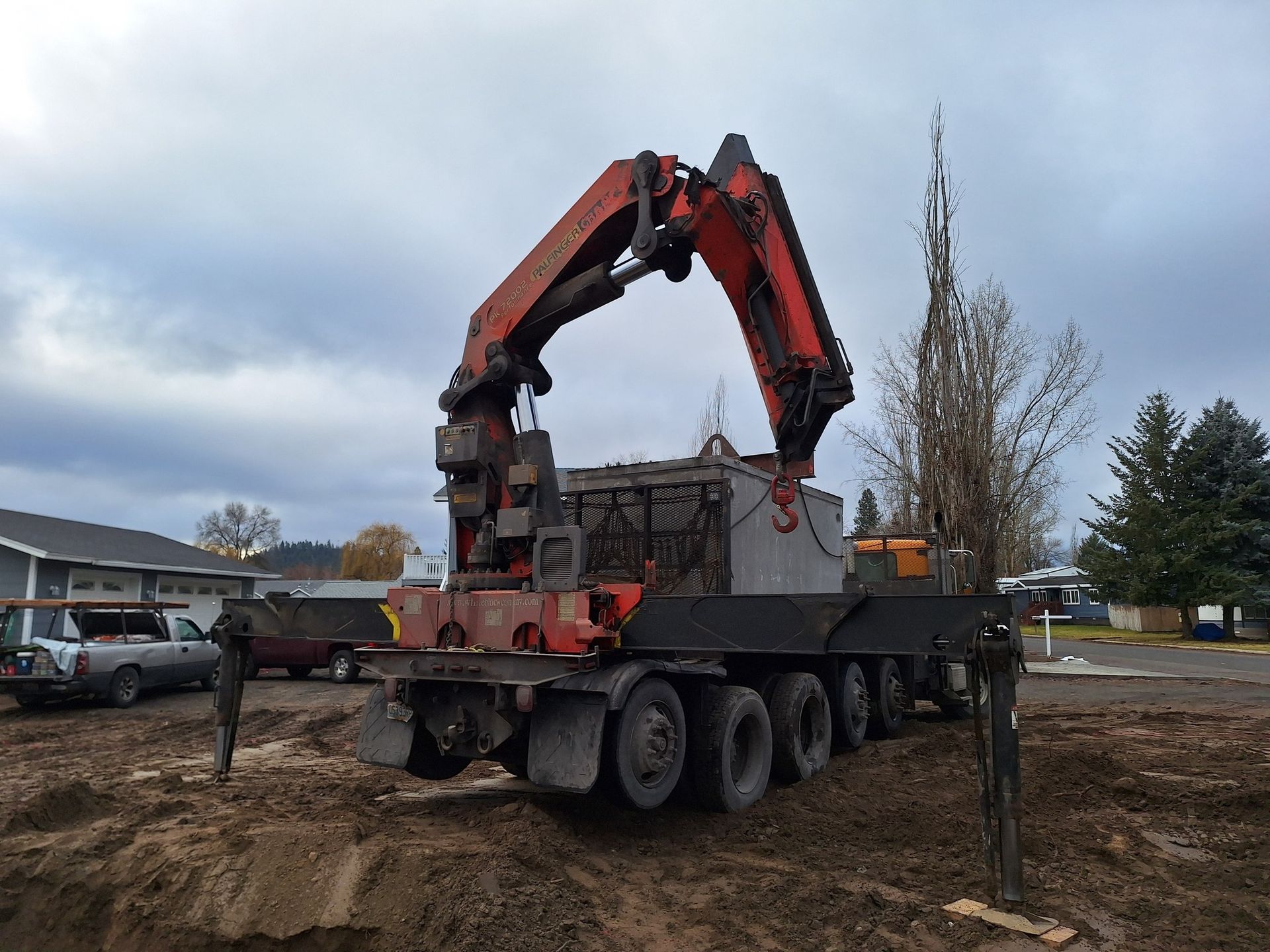
Breithaupt & Sons House Moving provides controlled, safe, and sustainable demolition and deconstruction services across Spokane Valley and Eastern Washington. Whether you need selective interior gutting for adaptive reuse, complete structural dismantling, or green demolition with material salvage, we offer licensed contracting, environmental controls, and a focus on material recovery. Contact (509) 413-7771 to discuss deconstruction strategy.
Why Structural Dismantling & Demolition Matters
Not all demolition is created equal. Approaches that prioritize selective removal and material salvage support sustainability goals, reduce disposal costs, and provide valuable reclaimed materials for new projects. Structural dismantling and demolition are necessary for:
Preparing sites for redevelopment.
Removing hazardous or failing structural elements.
Salvaging historically significant materials for reuse.
Enabling adaptive reuse where partial demolition preserves a building shell.
Safety and quality assurance
Each transport is managed with a safety plan, certified riggers, and a qualified transport supervisor. Equipment is inspected prior to job start, and we maintain documentation of load weights, permits, and inspections.
Key benefits of professional dismantling and demolition
Environmental stewardship
Controlled deconstruction recovers materials and minimizes landfill waste.
Cost management
Selective demolition can reduce costs by limiting full tear-downs and recovery of valuable fixtures.
Safety and compliance
Regulated asbestos or hazardous material abatement and skilled demolition crews minimize risk.
Precision
Selective and soft demolition allows interiors to be reconfigured while preserving exterior shells or structural elements.
Our demolition and deconstruction services
- We remove non-structural elements — cabinets, fixtures, drywall, MEP systems — preparing buildings for renovation while protecting shells and structural components.
- This approach is ideal for adaptive reuse and rehabilitation projects where the envelope remains intact.
Soft demolition / Interior gutting
Selective demolition
- Targeted removal of structural or non-structural sections required to accommodate additions, create openings, or remove damaged areas.
- We coordinate with engineers when structural support must be altered.
Structural dismantling (full demolition)
- Complete teardown of structures when relocation or preservation is infeasible.
- We perform staged dismantling to maintain safety, manage noise and dust, and prepare the site for grading or redevelopment.
Green demolition / sustainable wrecking / deconstruction
- Systematic disassembly to recover lumber, doors, windows, millwork, and fixtures for resale, salvage, or reuse.
- Material sorting on-site reduces mixed waste and improves recycling rates.
Typical project workflow
Pre-demolition survey and hazardous materials assessment.
Salvage planning and coordination with buyers or reuse partners.
Utility shutdown and safety mobilization.
Controlled removal using mechanical equipment or manual deconstruction depending on the salvage plan.
Material sorting, recycling, and responsible disposal with reporting.
Materials we commonly recover
Dimensional lumber and heavy timbers
Hardwood floors and staircases
Windows and millwork
Brick and masonry units
Metal fixtures and architectural hardware
Benefits for owners and developers
Reduced disposal costs through salvage and recycling.
Potential revenue stream from recovered materials.
Preservation of character elements reusable in rehabilitation projects.
Reduced carbon footprint by avoiding full demolition and rebuilding.
Safety and community impact reduction
Dust suppression, noise management, and debris containment are standard practices.
Traffic management plans for debris haul routes minimize neighborhood disruption.
Daily cleanup and site controls reduce public exposure to hazards.
Owner checklist for demolition or deconstruction
Conduct property inventory for items to salvage.
Secure permits and abatement reports for hazardous materials.
Arrange for temporary site fencing and neighbor notifications.
Plan for final site condition: clearing, grading, or pad preparation.
Case study examples (summarized)
Interior gutting for a community center conversion
Soft demolition preserved façade while interior historic timbers were salvaged and reused.
Full deconstruction of a derelict industrial building
Phased dismantling recovered metal and brick for resale, reducing landfill volume by a significant percentage.
Frequently Asked Questions — Structural Dismantling & Demolition
What is the difference between demolition and deconstruction?
Demolition is primarily mechanical teardown; deconstruction is a methodical disassembly that prioritizes salvage and reuse of materials.
Will you handle hazardous materials?
We coordinate with licensed abatement contractors and manage disposal per regulations.
How much material can be recycled?
With careful sorting, large percentages of wood, metal, and masonry can be diverted from landfills.
Can you salvage historic elements?
Yes — our selective demolition and deconstruction work preserve and catalog architectural features for reuse.
Do you provide documentation for green building certifications?
We can supply material diversion reports and waste management documentation for LEED or other certifications.
Contact us
Breithaupt & Sons House Moving provides structured, safe, and sustainable demolition and deconstruction solutions that recover value, minimize environmental impacts, and prepare sites for productive reuse. Our experienced crews, regulatory knowledge, and salvage networks deliver outcomes that align with your project goals.