
SERVICE SUBPAGE
Structure Relocation & Transport
(Structure relocation/relocators, Structural Moving Services)
WHY
Structure Relocation & Transport
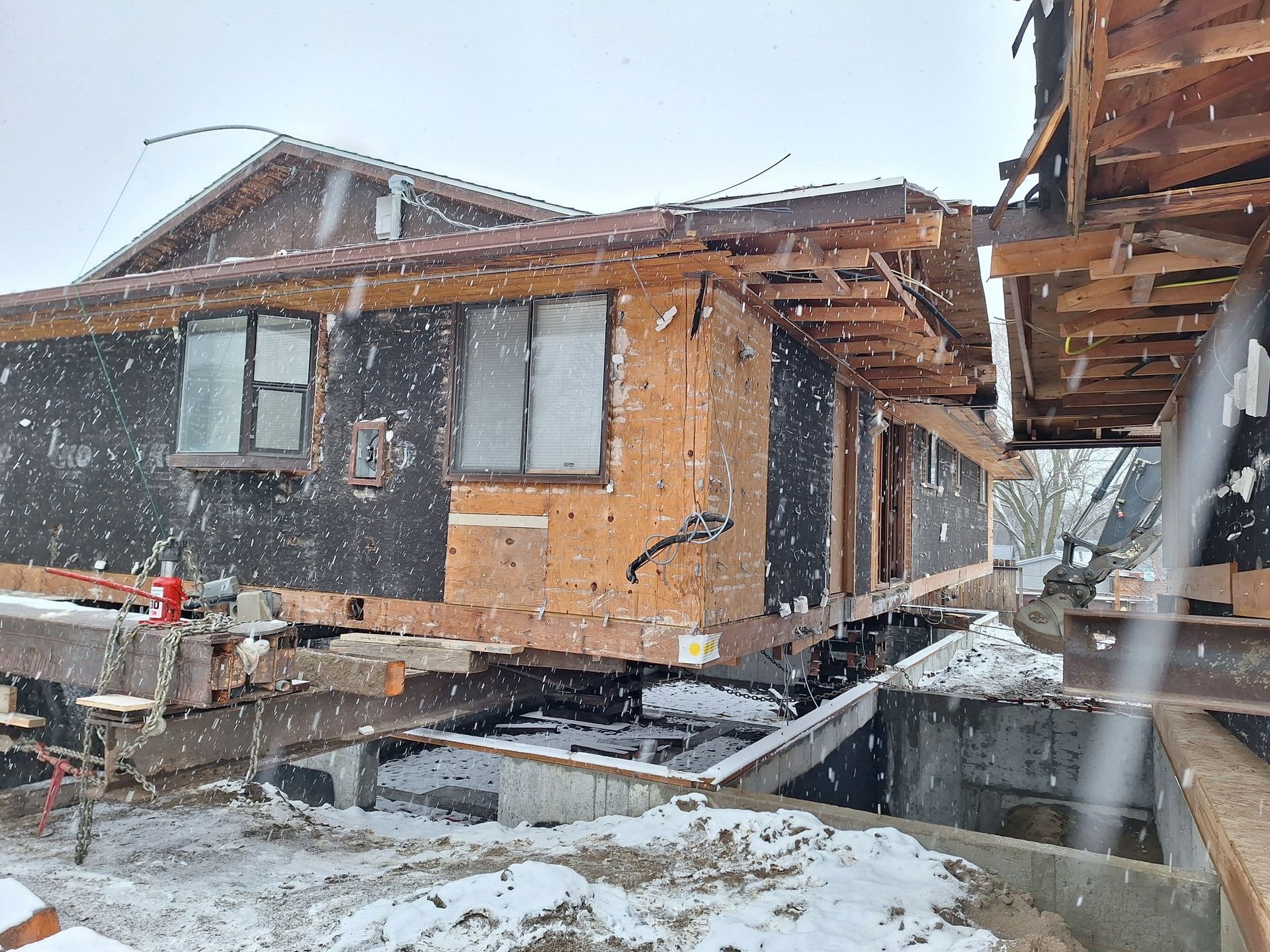
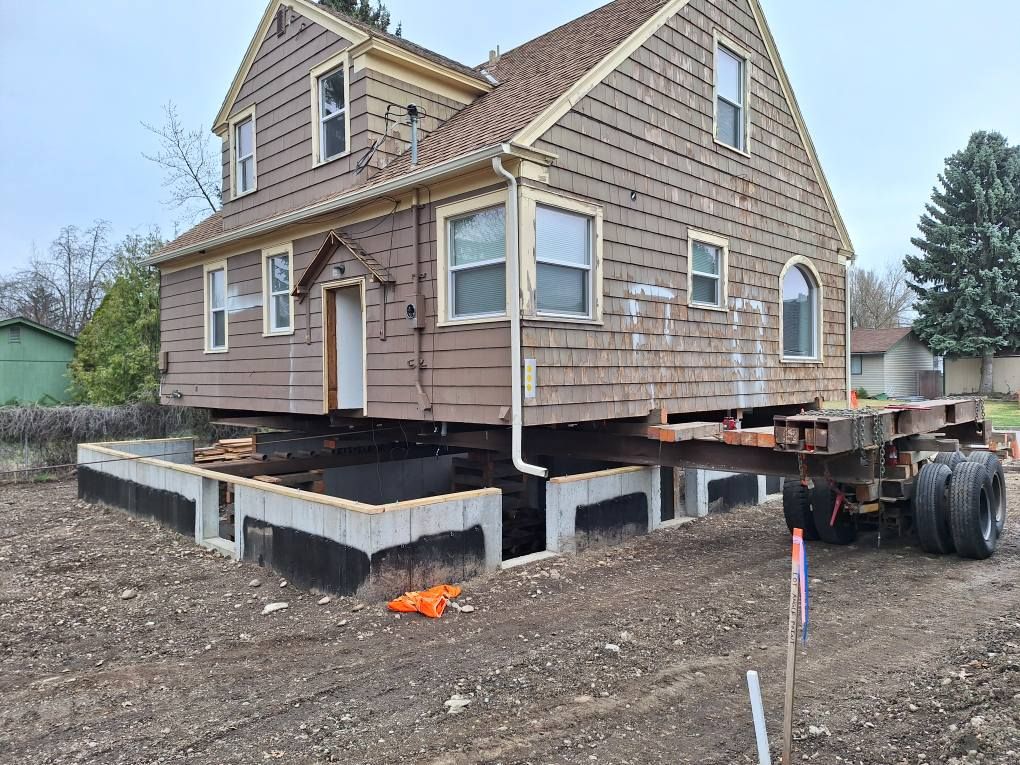
Breithaupt & Sons House Moving provides complete structure relocation and transport solutions for residential and commercial buildings. From route planning and permits to dollies, pilot cars, and final foundation integration, our team ensures safe, compliant moves across local and regional distances. Based in Spokane Valley, WA, call (509) 413-7771 for an in-depth relocation consultation.
Why Structure Relocation & Transport Matters
Relocating structures is a strategic option when property development, preservation, or site constraints make demolition or rebuild impractical. Structure relocation:
Preserves usable built assets.
Allows site alteration without complete loss of building function.
Enables phased development while retaining occupancy options.
Provides flexibility for owners needing to move buildings due to site sales, road expansions, or infrastructure projects.
Safety and quality assurance
Each transport is managed with a safety plan, certified riggers, and a qualified transport supervisor. Equipment is inspected prior to job start, and we maintain documentation of load weights, permits, and inspections.
Types of transports we execute
Local neighborhood moves
Short distances within towns or municipalities.
Regional transports
Cross-county or interstate transports requiring multi-jurisdiction permits.
Modular relocation
Transporting prefabricated or sectionalized units and reassembly on-site.
Crane-assisted transfers
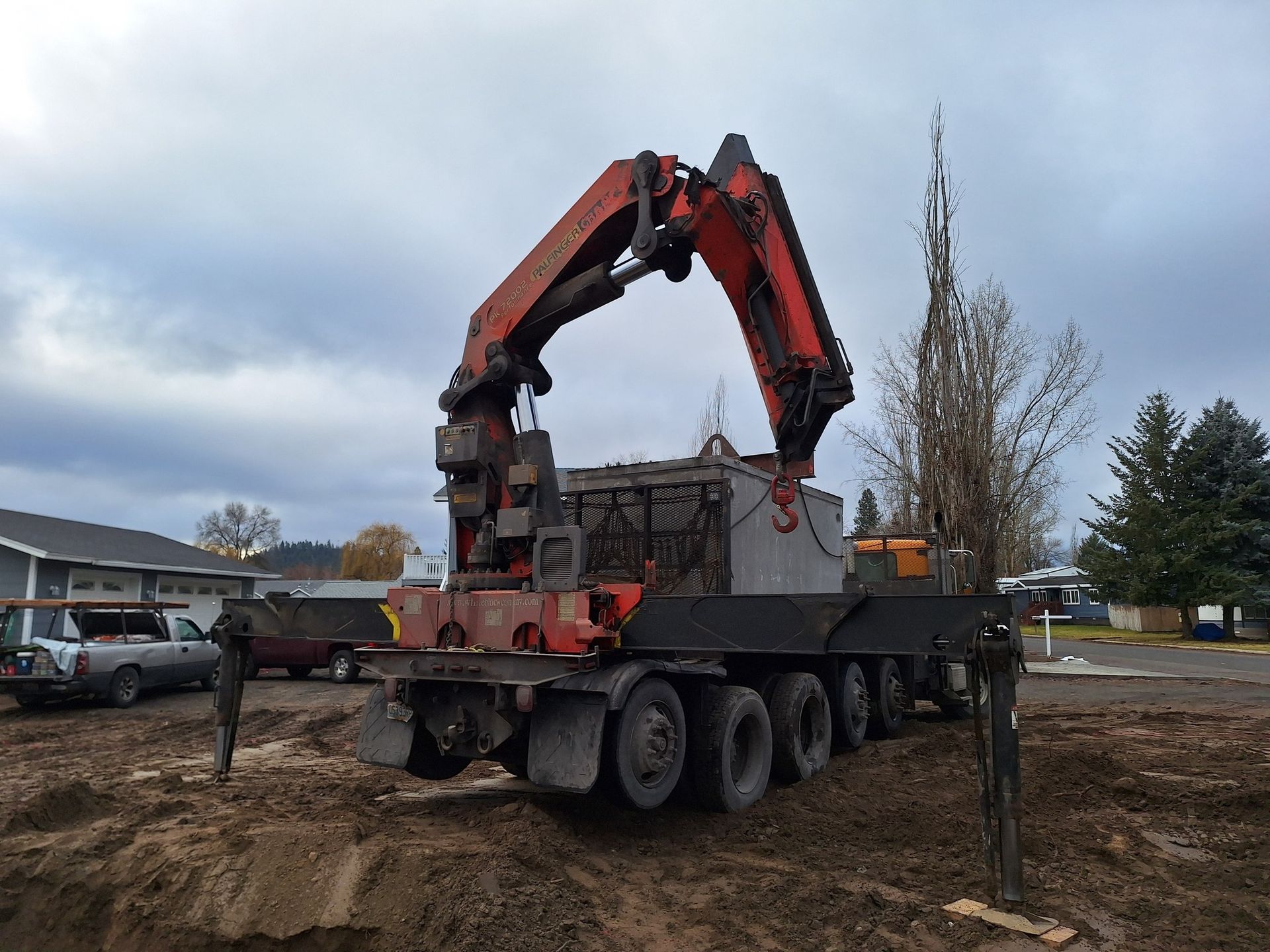
When load-in or load-out requires vertical lift due to limited access.
Technical and regulatory considerations
Bridge and roadway loading
We perform structural checks for bridges on the route to ensure safe passage.
Oversize loads
Tailored permits and scheduling to avoid peak traffic and coordinate with authorities.
Weight distribution
Calculated to avoid axle overloads and minimize pavement damage.
Environmental constraints
Restrictions for protected areas, seasonal weight limits, and noise ordinances.
How Breithaupt & Sons House Moving manages relocation and transport projects
We perform a thorough route survey that includes overhead clearances, bridge weight limits, turning radii, and traffic control needs. Based on this survey, we secure DOT and municipal permits and coordinate with utility companies for overhead adjustments.
Route survey and permitting
Load calculations and equipment selection
Load weight and dimensions determine trailer and dolly selection. For heavy or irregular structures we assemble multi-axle hydraulic dollies and use booster units to distribute loads evenly.
Utility coordination and overhead clearance
Power and telecom companies are engaged early to temporarily raise lines or remove obstructions. Coordination with state and local agencies ensures compliance and minimizes delays during transport.
Traffic control and pilot vehicles
We arrange pilot cars and police or DOT escorts as required. Traffic control plans are developed to ensure public safety and streamline route execution.
Direct advantages for various stakeholders
Property developers gain flexibility to reconfigure lots without losing buildings.
Historic preservationists can relocate endangered structures to safer sites.
Municipalities can relocate facilities or monuments without full reconstruction.
Commercial property owners maintain business continuity by relocating structures rather than closing or rebuilding.
Real-world transport scenarios
Moving a two-story craftsman across a city block: Required temporary removal of street trees and overhead wiring, pilot car coordination, and night-time move to reduce traffic impact.
Relocating a community center for a road widening project: Multi-day route coordination across municipal boundaries.
Transporting a commercial modular unit to a temporary lot during redevelopment: Short-term relocation with careful utility re-connection and inspection.
Cost and scheduling factors
Route complexity and permit requirements.
Distance and expected travel speed (restrictions on oversize loads).
Need for additional services (crane, temporary utility work).
Timing (night moves, weekend permits) can increase costs but may reduce disruption.
Project-ready checklist for owners
Provide property addresses and basic dimensions.
Share photos and any building plans if available.
Identify potential staging areas at origin and destination.
Notify neighbors early and provide a contact for move-day coordination.
Frequently Asked Questions — Structure Relocation & Transport
Can any building be transported?
Many can, but the feasibility study considers structural condition, size, route obstacles, and costs.
How far can you move a building?
Short and regional moves are common; long-distance moves require special planning and may be constrained by permit processes.
What happens to utilities?
We coordinate disconnection/reconnection with service providers and schedule times to minimize downtime.
Will streets be closed?
Depending on the move, partial or full street closures may be necessary; we coordinate with municipalities for traffic management.
How do you protect building contents?
We recommend removing fragile interior items; we can also brace and secure essential equipment for transport.
Contact us
Relocating a structure requires meticulous planning, proven equipment, and cooperative municipal coordination. Breithaupt & Sons House Moving provides the technical expertise and full-service logistics to transport buildings safely, efficiently, and with respect for communities and preserved assets.