SERVICE SUBPAGE
Structural Rehabilitation & Adaptive Reuse
(Structural rehabilitation, Adaptive reuse demolition)
WHY
Structural Rehabilitation & Adaptive Reuse
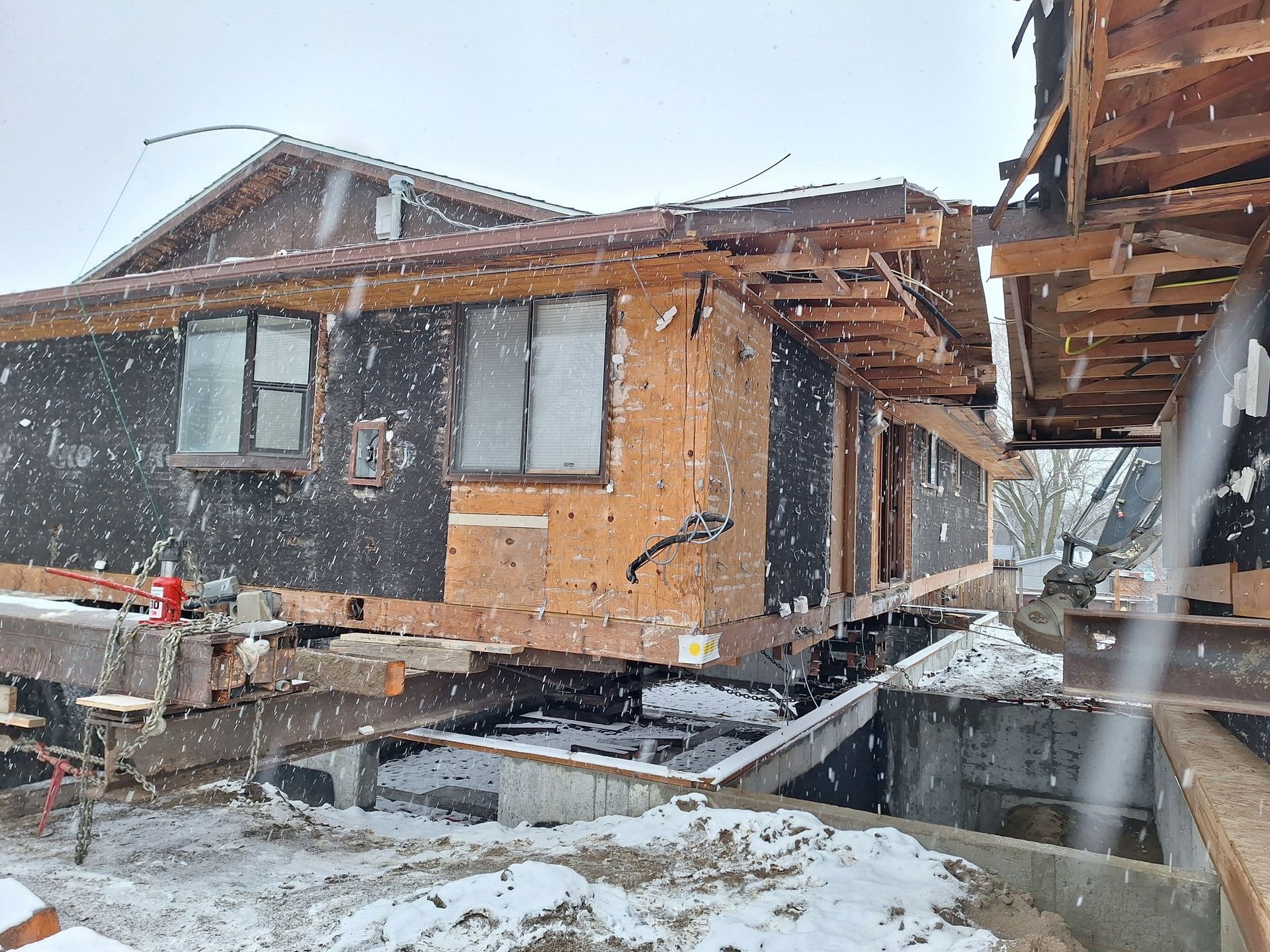
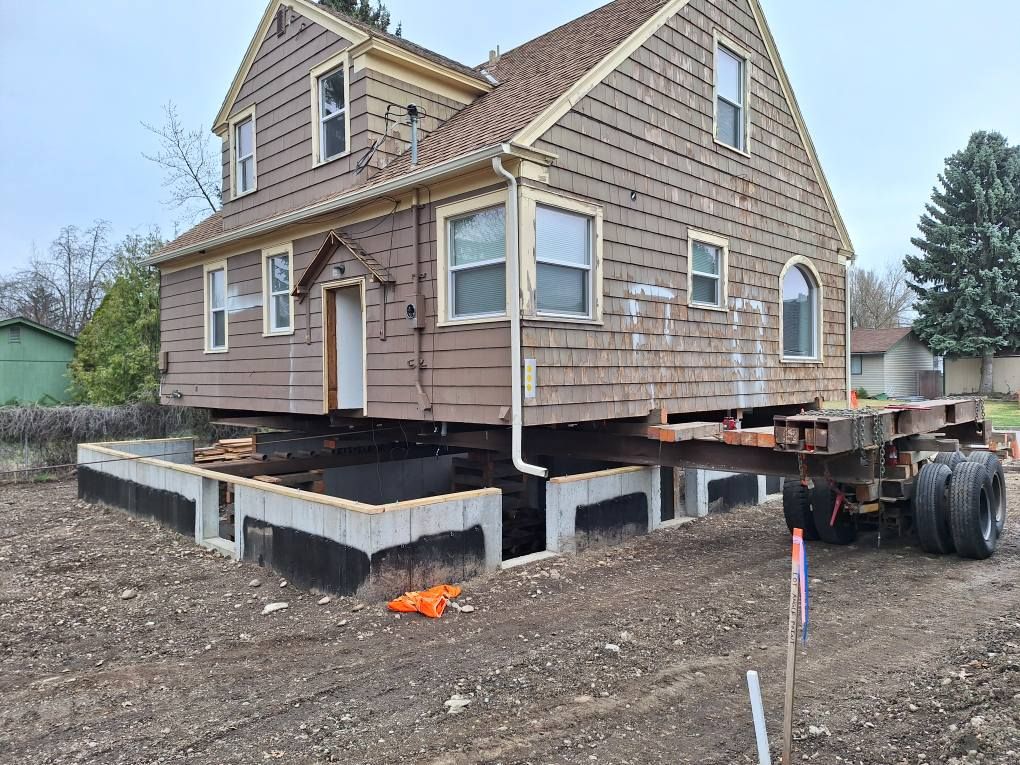
Breithaupt & Sons House Moving delivers rehabilitation and adaptive reuse services to restore and repurpose existing buildings for modern occupancy. From structural stabilization and seismic retrofits to selective demolition for reconfiguration, our projects combine preservation with practical upgrades to meet building codes and contemporary functions. Based in Spokane Valley, WA, call (509) 413-7771 to discuss restoration strategies.
Why Structural Rehabilitation & Adaptive Reuse Matters
Adaptive reuse and structural rehabilitation convert underutilized or obsolete buildings into productive assets — offices, multifamily housing, retail, cultural spaces, or mixed-use developments. Benefits include:
Preserving cultural and architectural heritage.
Reducing environmental impact by reusing existing structures.
Shortening project timelines compared to full demolition and new construction.
Access to preservation incentives and tax credits in some cases.
Supporting community revitalization and neighborhood continuity.
Sustainability and circular economy benefits
Adaptive reuse conserves resources by preserving structure and materials, reducing embodied carbon associated with new construction. Deconstruction techniques for non-salvageable elements further support material circularity.
Key benefits of choosing adaptive reuse and rehabilitation
Cost-effective transformation
Rehabilitating an existing shell can be less expensive than building new, especially when structural envelopes remain sound.
Sustainability
Retains embodied energy and decreases construction waste.
Flexibility
Reconfiguring interiors while preserving exterior character is often the optimal path for downtown or historic district redevelopment.
Market appeal
Unique character and historic elements can increase property desirability.
How we approach rehabilitation and adaptive reuse projects
We conduct a thorough structural assessment — checking foundation, framing, roof systems, and connections. An initial feasibility analysis evaluates code compliance gaps, accessibility upgrades, and mechanical system needs.
Condition assessment and feasibility
Collaborative planning with architect and engineer
Together with architects and structural engineers, we define structural reinforcement strategies such as steel bracing, fiber-reinforced polymer (FRP) strengthening, foundation tie-ins, and seismic retrofits where required.
Selective demolition and interior reconfiguration
We perform adaptive reuse demolition — removing specific elements like partitions, staircases, or non-original additions to create flexible interior layouts while preserving primary structural frames and facades.
Structural strengthening and foundation work
We implement underpinning, foundation bolting, shear wall addition, or moment-frame installation to meet structural performance targets and code requirements.
Mechanical, electrical, plumbing (MEP) upgrades and energy improvements
Existing buildings often need MEP system upgrades to meet modern standards. We coordinate with specialized subcontractors to install efficient systems and improve insulation, airtightness, and energy performance.
Accessibility and code compliance
We integrate accessibility solutions — ramps, elevators, and restroom reconfiguration — while balancing historic preservation requirements and code compliance.
Common structural interventions in rehabilitation
Foundation repair and underpinning
Load redistribution and installation of steel reinforcements
Seismic retrofitting and connection upgrades
Roof replacement and water intrusion mitigation
Preservation of facades with internal modernization
Economic and regulatory considerations
Historic preservation tax credits may offset eligible costs when rehabilitation follows standards for historic rehabilitation.
Adaptive reuse projects often require negotiation with historic preservation boards to determine acceptable alterations.
Cost-benefit analysis compares the value of preserved materials and character against the expenses of code upgrades.
Case examples (illustrative)
Former warehouse to mixed-use
Reinforced timber framing, new foundations, and the introduction of steel moment frames to support new live loads for residential conversion.
School building conversion
Selective interior demolition, seismic bracing, and modernization of MEP systems for community-oriented uses while preserving exterior masonry.
Preparing for a rehabilitation or adaptive reuse project — owner checklist
Assemble building documentation and historic records if available.
Provide existing plans and prior inspection reports.
Define desired new use and corresponding programmatic needs.
Engage with community or preservation stakeholders early in the design process.
Consider financing and incentives related to preservation and energy upgrades.
Frequently Asked Questions — Structural Rehabilitation & Adaptive Reuse
Can any building be adapted for new uses?
Many buildings can, but feasibility depends on floor-to-floor heights, structural capacity, and site constraints.
Will rehabilitation meet current codes?
We plan for required upgrades and coordinate with code officials to find code pathways, equivalencies, or historic exceptions where appropriate.
Are preservation tax credits available?
Potentially — national and state-level incentives may apply if rehabilitation follows certified standards; we can coordinate with preservation consultants.
How long does rehabilitation take?
Project timelines vary with scope — from months for smaller renovations to years for complex adaptive reuse including preservation oversight.
What about energy upgrades?
We integrate energy efficiency measures where feasible to reduce long-term operational costs.
Contact us
Structural rehabilitation and adaptive reuse offer sustainable, culturally sensitive paths to repurpose existing buildings for contemporary needs. Breithaupt & Sons House Moving brings construction expertise, structural coordination, and practical experience to transform structures into viable, code-compliant, and community-valued assets.